
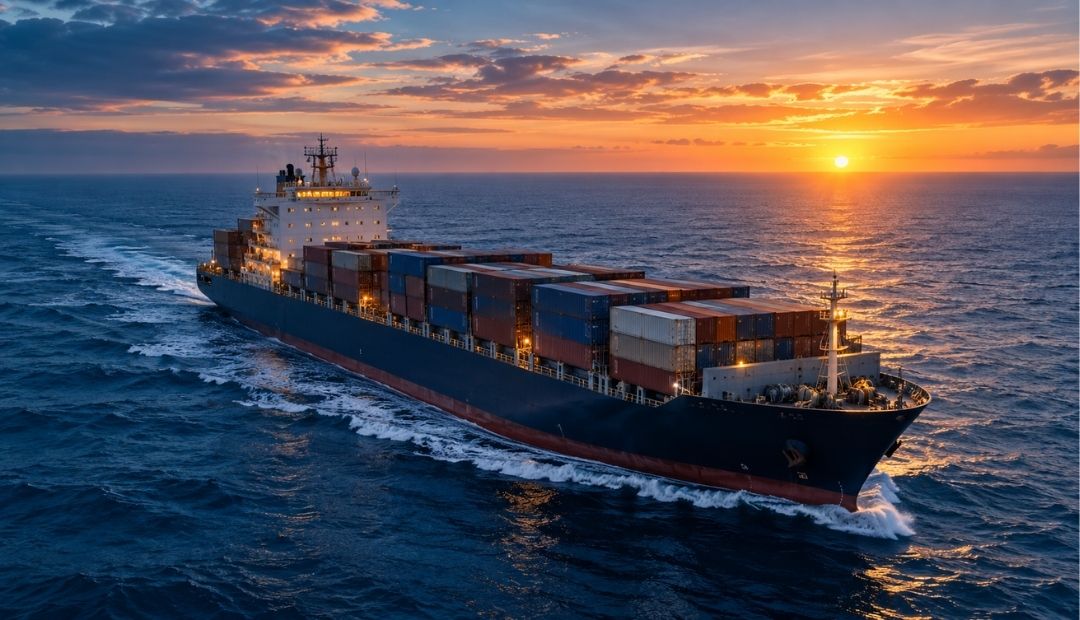
When a voyage is extended, the operational question is how to keep the vessel moving. The people question is what that extension means for the crew.
Seafarer mental well-being should be part of how maritime organisations recruit, plan rotations, develop leaders and support people throughout their contracts. That responsibility needs to be shared by ship managers, crewing companies and maritime HR teams.
Why life at sea needs a specific approach
Long periods away from family, irregular working hours, demanding port calls and changing weather can combine with limited opportunities for recovery. The ship is also home during a contract, leaving less separation between work and personal life. IMO’s Guidelines on Fatigue recognise these interacting pressures, including isolation and concerns about family.
Working across countries also calls for thoughtful communication within multinational crews. Leaders should make space for different languages, customs and ways of expressing concerns. ISWAN’s Social Interaction Matters research highlights the importance of meaningful connection and examines how hierarchy, fatigue and onboard culture affect it.
For employers, this makes well-being a question of everyday working conditions as well as access to psychological support.
Two real-world reminders
Uncertainty about getting home. In September 2020, IMO reported that around 400,000 seafarers were stranded aboard ships during the pandemic crew-change crisis. Captain Hedi Marzougui described the mental strain he and his crew had experienced from uncertainty about returning home.
The lesson for people strategy is to include timely updates, relief contingencies and family considerations in disruption planning.
Fear of speaking up. In its report covering January–March 2024, ISWAN described a seafarer who reported excessive working hours over several months, unsanitary accommodation and threats from senior officers against complaining. He feared losing his job. ISWAN provided emotional support and directed him towards trade unions.
This individual case raises a practical question: would someone facing harmful conditions on your vessels feel safe asking for help?
What should a maritime people strategy include?
1. Crew planning that protects recovery
Match staffing and shore support to the actual workload, including busy port periods. Review whether crews can obtain restorative sleep, and plan how delayed relief will be handled. IMO’s fatigue guidance explicitly connects fatigue management with workload, manning and support from shore.
2. Space for family contact and crew connection
Provide practical opportunities for private family conversations and voluntary social time onboard. Make activities welcoming across ranks and nationalities, and protect rest when arranging them. ISWAN’s research offers a useful foundation for treating social connection as part of everyday crew welfare.
3. Leaders who listen and clear routes to support
Train officers and shore teams to respond respectfully when someone raises a concern. Provide a confidential route to professional support, explain its privacy limits, and establish reporting options outside the immediate chain of command. Agree who will respond when a concern requires action onboard or ashore.
4. Support throughout the contract
Build preparation, onboard check-ins and post-contract follow-up into the people process. Emotional-resilience training should help crews recognise pressure, develop coping skills and seek support. It should sit alongside action on working conditions.
Assessments such as Psychometrica’s SeaPert-MHI Maritime Assessment can inform recruitment and development discussions alongside other evidence and professional judgement. They do not provide a medical or psychiatric diagnosis.
Give well-being an owner and a place in decisions
Start by assigning responsibilities: ship managers should address onboard workload and leadership, crewing teams should coordinate relief, and HR should establish support and reporting arrangements. Agree how concerns will move between them.
Review delayed relief, recurring workload concerns and the action taken on crew feedback. Interpret report counts carefully: more reports may reflect greater trust in speaking up. The useful question is whether concerns lead to a response, while individual confidentiality is protected.
Psychometrica’s mental well-being support for seafarers includes counselling, workshops and training on stress, resilience and communication.
A maritime people strategy should give crews the conditions, confidence and support to remain well throughout their time at sea.